


Philippines Healthcare for Expats: What Retirees Learn Too Late About Medical Costs and Coverage
Retirement in the Philippines promises many pleasures — a gentler climate, lower living costs, and a more relaxed pace of life. Yet one area where assumptions can prove costly is healthcare. A serious medical event can quickly separate pleasant daydreams from hard financial reality. This article explores the Philippine health system as experienced by expats, the gaps that catch many by surprise, and the practical steps that protect both health and retirement savings.
Having heard accounts of unexpected medical bills running into years of pension income, one realises that preparation is not merely prudent — it is essential. No scaremongering here, simply the clear-eyed assessment that professional men in their fifties, sixties, and beyond deserve when planning a secure future abroad.
The Two-Tier Reality of Healthcare in the Philippines
The Philippine healthcare system operates on two distinctly different levels, and understanding this divide prevents unpleasant surprises.
Top-tier private hospitals in Manila, Cebu, and other major centres offer genuinely excellent care. Modern facilities, internationally trained specialists, English-speaking staff, and standards comparable to good private hospitals anywhere in the world. For major procedures, advanced diagnostics, or specialist treatment, the quality is not in question.
The public system, while providing essential services to the wider population, operates under considerable constraints — longer waits, more limited resources, and variable facilities depending on location. For routine matters it may suffice, but for anything serious, most expats quite reasonably prefer the private route.
The critical point is this: the high-quality care many picture when thinking of “going to hospital here” does exist and performs well — but it comes at private prices, not the subsidised rates some assume from the country’s overall cost of living.
The Geography Challenge Few Consider When Choosing Where to Live
Quality private healthcare concentrates in major urban areas. Move to quieter, more affordable provincial spots (precisely the locations many retirees find appealing) and you may find yourself a significant distance from advanced emergency and specialist facilities.
One gentleman in his mid-sixties, living a couple of hours from the nearest suitable hospital, experienced serious chest pains. He reached appropriate care in time, thankfully, but the episode served as a sharp reminder. In emergencies, two hours can feel like an eternity.
This is not a reason to abandon provincial living entirely. Many expats enjoy such areas for years without incident. Rather, proximity to quality emergency care deserves a place alongside cost of living, climate, and community when deciding where to settle. Sensible questions include: How far is the nearest hospital equipped for cardiac or trauma events? What are realistic travel times? Is medical evacuation an option if needed?
Knowing the answers allows one to plan with confidence rather than crossing one’s fingers.
PhilHealth for Expats: Useful Buffer, Not Comprehensive Cover
PhilHealth, the national health insurance programme, causes considerable confusion among foreign residents. Long-stay expats with an ACR I-Card can apply, with particularly favourable rates for SRRV (Special Resident Retiree’s Visa) holders, around ₱12,000 per year at the time of writing.
It offers a genuine benefit, providing discounts (typically up to around 30%) on inpatient hospital bills when using public wards. However (and this catches many out) its contribution in a private room at a private hospital is minimal.
Think of PhilHealth as a sensible, low-cost local safety net rather than the comprehensive protection many Westerners expect from national health schemes. Worth having? Absolutely. Sufficient on its own for serious events treated to the standard most expats would choose? Regrettably not.
For those married to a Filipina with existing coverage, adding a spouse can be remarkably affordable, around ₱500 per month.
The Real Financial Exposure of Going Without Proper Cover
Serious medical events in good private facilities – cardiac incidents, major surgery, extended ICU stays – can run from hundreds of thousands of pesos into the millions. For many retirees on fixed incomes, this represents a substantial portion of savings or more.
Add medical evacuation – a private flight with onboard medical support, and the costs escalate further, often tens of thousands of pounds or dollars before treatment even begins.
“Self-insuring” by simply hoping for the best may appear manageable in most years. Yet healthcare risks have a habit of materialising in the one year it matters most. The difference between a manageable setback and a financially devastating one frequently comes down to decisions taken years earlier.
The Sensible Bridge: International Health Insurance for Expats
The practical solution lies in proper international health insurance designed for expat realities. Policies that cover private hospital treatment, include medical evacuation as standard, and account for varying healthcare access across the Philippines.
Alex Routh specialises in precisely this area, offering policies built for expats rather than domestic arrangements stretched uncomfortably overseas. He emphasises “pooled” policies that spread risk across the entire book of clients, avoiding the punishing premium increases that can follow a significant claim under individual policies.
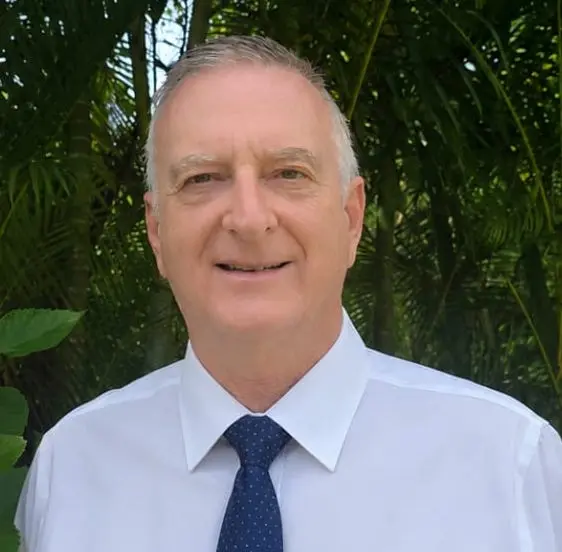
Alex Routh
International Health Insurance ExpertSecure Your Health Abroad With Confidence
Don’t leave your healthcare to chance. Get a tailored, premium international health insurance plan designed specifically for expats, or download our comprehensive guide to navigate your options.
Equally important is choosing a provider governed by a robust ombudsman with genuine authority to resolve disputes fairly.
If your current cover is several years old or relies on local or standard domestic policies, reviewing it represents one of the most valuable pieces of housekeeping you can undertake. Visit nakedexpat.com for an enquiry link and the opportunity to download Alex’s international health insurance ebook as a courtesy to viewers and readers.
Turning Knowledge into Action
A touch of gentle humour may be permitted here: after decades navigating complex careers, the idea that healthcare abroad might simply “sort itself out” has the same optimistic charm as expecting fine dining at every street stall. Charming in theory, perhaps less ideal when the stakes involve one’s golden years.
Practical steps worth taking this week:
- If eligible, arrange PhilHealth coverage through your ACR I-Card or SRRV.
- Review or secure proper international health insurance with medical evacuation.
- If living provincially, identify your nearest serious emergency facility and realistic access times.
- Read the small print on any existing policy – particularly whether it is pooled or individually rated.
Have you encountered the Philippine healthcare system as an expat? A positive experience that restored faith, or a lesson that sharpened your planning? Share in the comments below. Your insights, offered with the wisdom of experience, help fellow retirees navigate these waters more confidently.
Watch the accompanying video on the Naked Expat channel for the full discussion and personal perspective.
Approaching retirement abroad with open eyes need not diminish enjoyment. On the contrary, proper preparation allows one to embrace the best the Philippines offers while safeguarding the security so carefully built over a professional lifetime.
Leave a Reply